

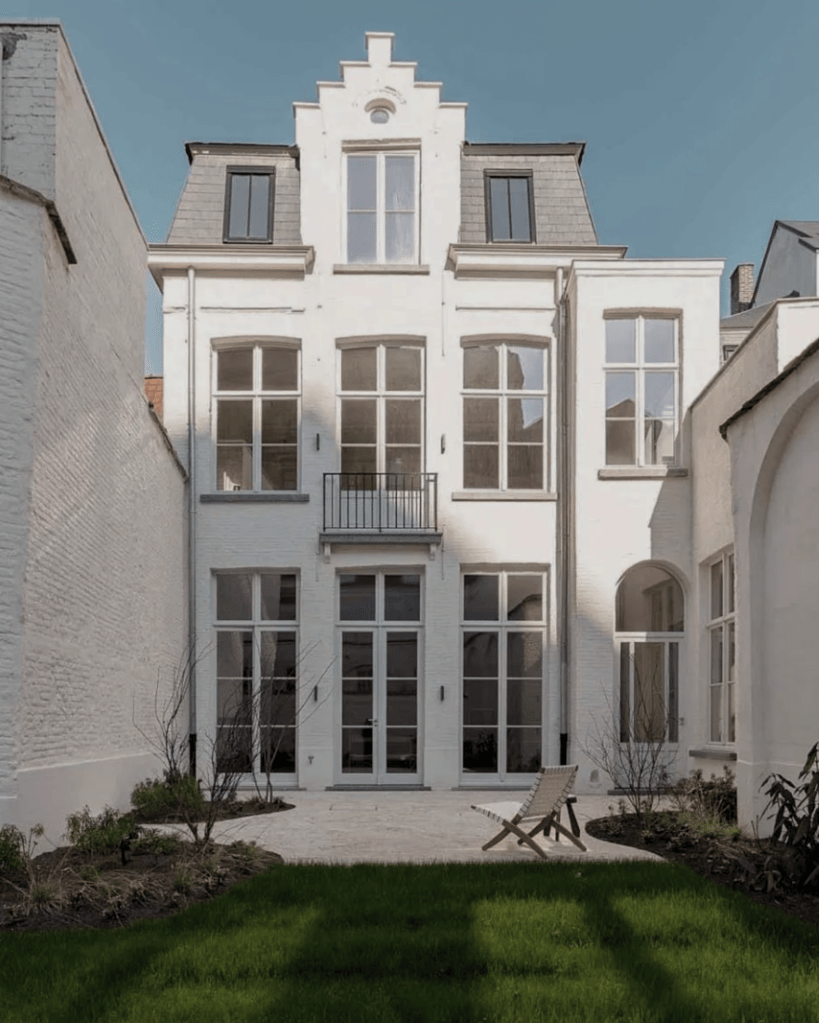
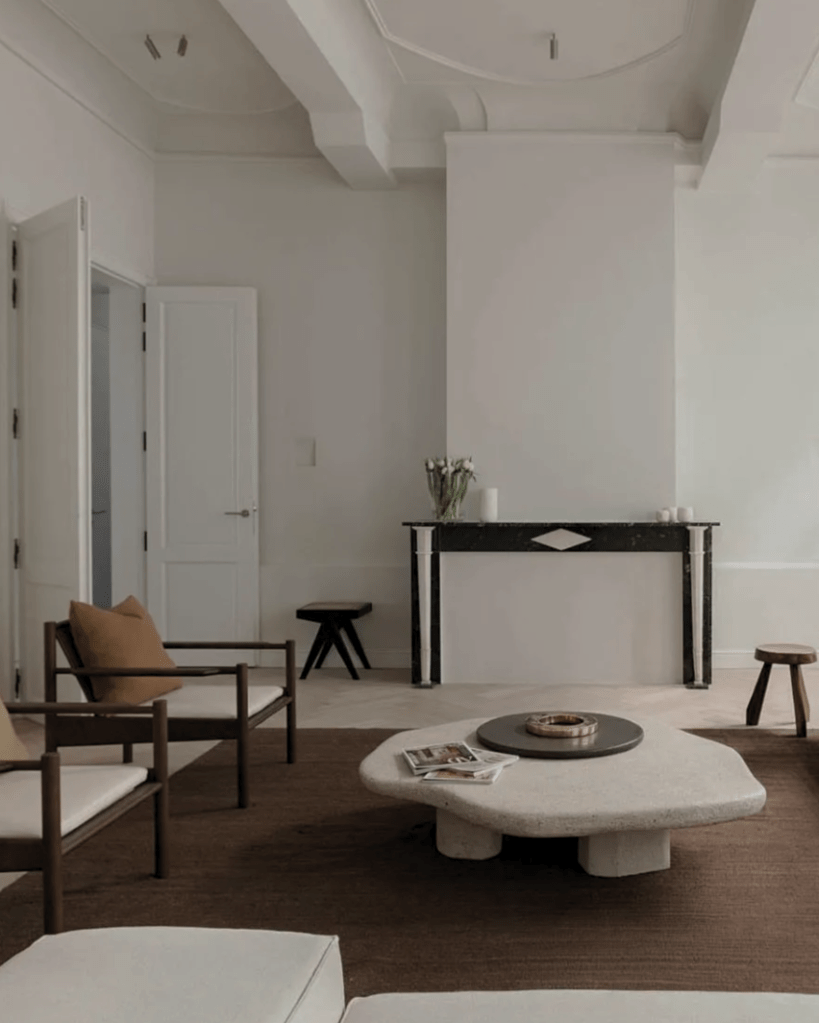
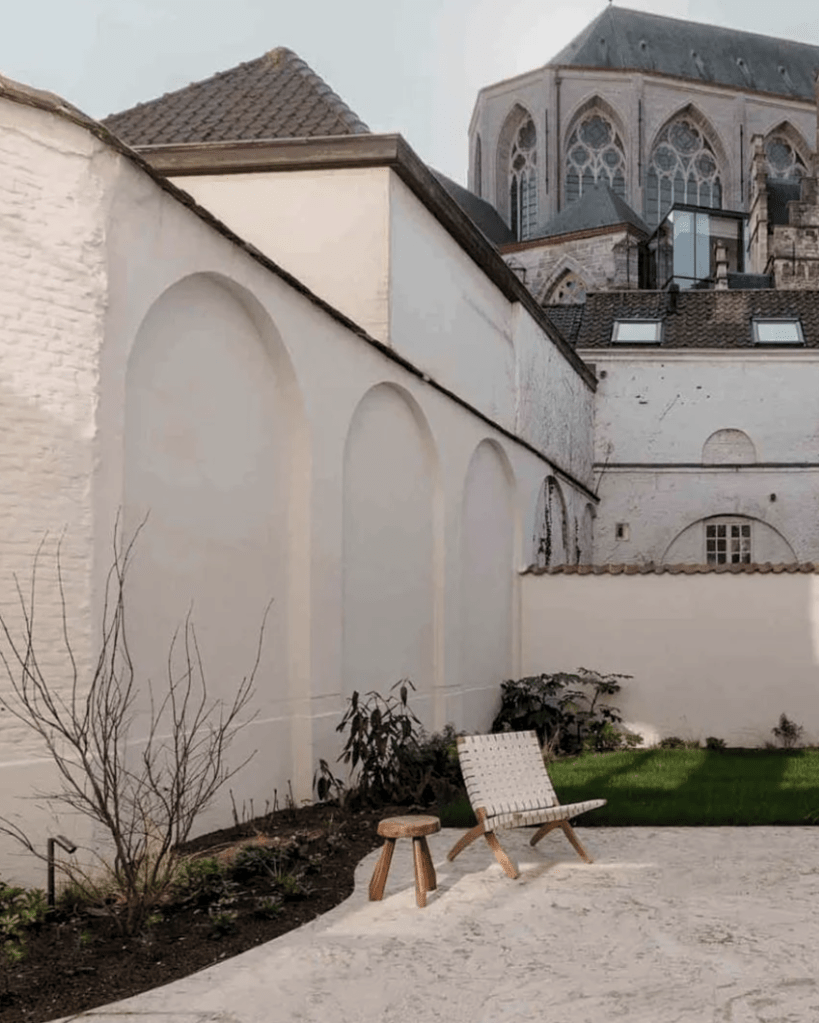
There is a particular kind of silence in a room that has been stripped of everything unnecessary. On the first floor of a stately townhouse in Ghent’s Nederpolder, that silence arrives through south-facing windows, across a terrace that looks directly onto the towers of St Bavo’s Cathedral. The apartment beyond — 210 square metres, recently rebuilt to a design by Britsom Philips — holds almost nothing extraneous. High ceilings, deep-set mouldings left untouched by the renovation, a kitchen finished in stone and walnut, three bedrooms arranged with the kind of restraint that photographs quietly rather than loudly. It is the sort of interior that does not perform for a camera. It simply waits to be lived in.
That quality — restraint as a considered choice rather than an absence — has become increasingly familiar in the homes chosen by professional footballers, and Ghent offers a useful case study in why.
A dressing room without a single hometown
KAA Gent’s first-team squad reads like a small atlas. Players arrive from Belgium’s own academies alongside recruits from West Africa, Scandinavia, the Balkans and South America, each bringing a different relationship to the idea of “home.” What unites them, more than nationality or position, is the compressed and highly structured nature of daily life. Training sessions, recovery windows and match preparation leave little room for domestic complexity. The modern professional’s calendar is engineered for consistency — same wake time, same recovery protocol, same rhythm, week after week. It is not a lifestyle that tolerates clutter, in the literal or psychological sense. A home that requires decisions becomes another item on a list that is already full.
The architecture of a disciplined life
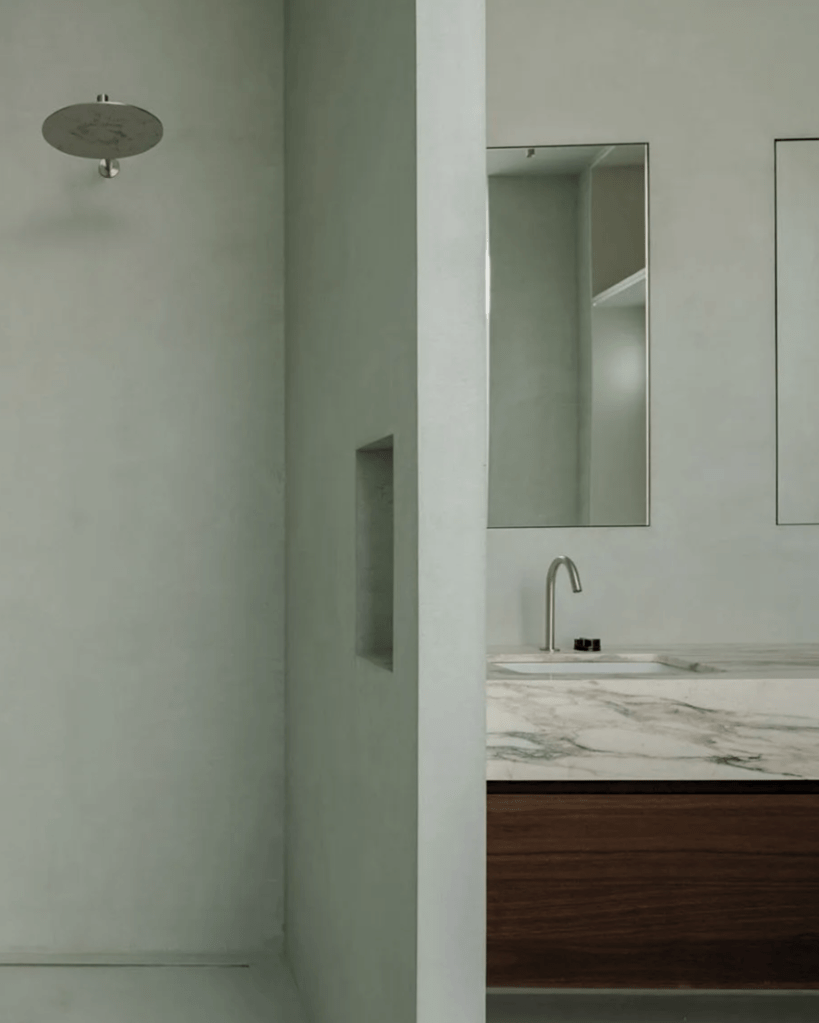
Elite performance environments are built around the elimination of unnecessary variables. Training facilities are engineered down to lighting temperature and surface friction. It would be inconsistent, then, for the same players to return each evening to spaces defined by excess — ornamentation without function, rooms that demand upkeep rather than offering rest. The Nederpolder apartment reflects a different logic. Underfloor heating removes visible radiators. A lift and dedicated bicycle storage remove friction from daily movement. The original mantelpieces and cornicing were retained not as decorative flourish but because they were already correct — proof that restraint, done properly, does not require erasing a building’s history, only removing what does not serve it. There is a discipline embedded in this kind of interior that mirrors the discipline required to sustain a career past its first contract: the accumulation of small, repeatable decisions that compound over a season. A home stripped of distraction supports that same compounding. It offers nothing to manage, which leaves more to give elsewhere.

Ghent itself reinforces the logic. Unlike the more conspicuous property markets of Monaco, London or Dubai — cities that have become shorthand for footballer wealth — Belgium’s provincial luxury market operates with a quieter confidence. A property here does not need to signal anything. Nederpolder sits between the Town Hall and the Leie, walking distance from schools, restaurants and the club’s own history, without ever needing to announce itself. For a player accustomed to being watched on matchday, a home that asks for nothing and offers no performance of its own can be its own form of relief. There is also something instructive in the terrace itself — a private outdoor space facing one of Europe’s great Gothic cathedrals, available to no one passing on the street below. It is proximity without exposure: the city’s history close enough to see, far enough not to intrude.
None of this requires a player to think of his home as a strategy. Most will simply notice that the apartment feels calm, that the light moves well through the rooms, that nothing about the layout asks to be solved. But the calm is not accidental. It is the product of the same underlying instinct that shapes a well-run training ground or a carefully periodised season: remove what does not need to be there, and trust that what remains will do its job quietly.
Listing by Sotheby’s International Realty – Belgium
 demeure.net
Leave a comment